

Dental implants are designed to provide a durable, long-term solution for missing teeth. They replace the roots of natural teeth and create a stable foundation for crowns, bridges, or full-arch restorations. With proper planning and ongoing care, implants can remain functional for many years.
But how long should you expect them to last? And does an implant require the same care as a natural tooth?
The answer depends on several factors, including your gum health, bite, daily hygiene habits, and overall health. Understanding how implants work and what they need over time can help you protect your investment.
At Take 2 Dental Implant Studio in Anchorage, Dr. Guy Burk and his team focus on full-arch implant restorations using advanced digital technology and an in-house dental laboratory. Here is what patients should know about implant longevity and long-term maintenance.
How Long Do Dental Implants Last?
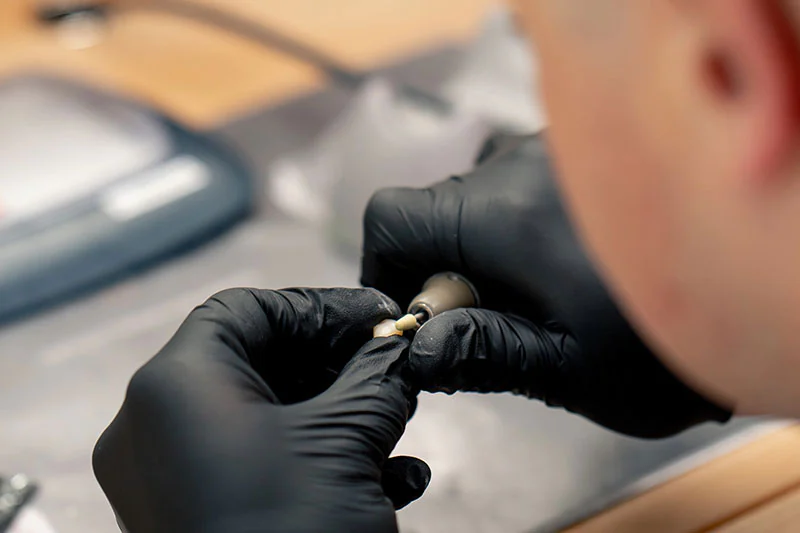 A dental implant consists of several components. The implant post is placed in the jawbone and acts as an artificial tooth root. An abutment connects the implant to the visible restoration, such as a crown or bridge.
These components do not necessarily have the same lifespan.
The implant post can last for many years and may remain in place for a lifetime when it integrates successfully with the bone and stays healthy. However, the crown, bridge, or full-arch prosthesis attached to the implants may eventually need repair, maintenance, or replacement due to normal wear, damage, or changes in the mouth.
This distinction is especially important for patients with full-arch implant restorations. The implants provide the foundation, while the replacement teeth are the parts that experience everyday chewing forces.
There is no universal expiration date for dental implants. Your dentist can evaluate the condition of your implants and restoration during routine maintenance visits.
What Affects How Long Dental Implants Last?
Implant longevity is influenced by more than the quality of the implant itself. Your oral health, habits, and ongoing care all play a role.
Gum Health and Peri-Implant Disease
Dental implants cannot develop cavities, but the gum and bone tissue surrounding them can become inflamed or infected.
One condition to watch for is peri-implantitis, an inflammatory condition affecting the tissues around a dental implant that can lead to bone loss if it is not treated.
Bacteria can collect around implant restorations just as they collect around natural teeth. Without effective daily cleaning and professional maintenance, inflammation may develop and threaten the support around the implant.
Keeping the surrounding tissues healthy is one of the most important parts of protecting your implants.
Bite Forces and Teeth Grinding
Implants are designed to withstand chewing forces, but excessive or uneven pressure can place stress on the restoration and supporting components.
People who clench or grind their teeth may put additional strain on implant crowns, bridges, and other restorations. Over time, this may contribute to wear, chipping, loose components, or other mechanical problems.
If you grind your teeth, let your implant dentist know. A protective nightguard may be appropriate depending on your bite and restoration.
Smoking and Tobacco Use
Smoking and other tobacco use can interfere with healing and increase the risk of complications involving the gums and supporting bone. Tobacco use is an important consideration before and after implant treatment.
If you smoke, discuss your habits openly with your dental team. They can explain how tobacco may affect healing and long-term implant health.
Overall Health and Medical Factors
Certain medical conditions, medications, and changes in overall health may influence how your gums and bone respond to implant treatment.
Your dental team should know about relevant health changes and medications, even after your implants have been restored. This information helps guide appropriate monitoring and maintenance.
Daily Hygiene and Regular Dental Visits
Even though implant restorations cannot develop cavities, plaque and bacteria can still accumulate around them. Brushing, cleaning between the teeth and around the restoration, and attending professional maintenance visits are essential.
Skipping maintenance because your replacement teeth feel secure can allow small concerns to develop without obvious symptoms.
How to Care for Dental Implants at Home
The right cleaning routine depends on the type of restoration you have. A single implant crown, an implant-supported bridge, and a full-arch restoration may require different tools and techniques.
In general, these habits help support long-term implant health:
Brush twice daily. Use a soft-bristled toothbrush to clean the visible surfaces of your teeth and implant restoration. Pay particular attention to the gumline, where plaque can collect.
Clean between teeth and around implants. Floss, interdental brushes, or other cleaning tools recommended by your dental team can help reach areas a toothbrush may miss. Patients with full-arch restorations may need specialized tools to clean underneath the bridge.
Use products recommended for your restoration. Your dentist or hygienist can show you which brushes, floss, or water-flossing devices are appropriate for your specific implant design.
Avoid using your teeth as tools. Do not use implant-supported teeth to open packages, bite fingernails, or crack hard objects. These habits can damage natural teeth and dental restorations alike.
Follow your maintenance schedule. Professional visits allow your dental team to monitor your gum health, evaluate your bite, and identify changes before they become more serious.
Warning Signs That Deserve a Dental Visit
Dental implants should feel stable and comfortable. If something changes, do not wait for your next routine appointment to bring it up.
Contact your dental team if you notice:
- Redness, swelling, or bleeding around an implant
- Tenderness or discomfort near the implant
- Pus, persistent bad taste, or unusual odor
- A change in how your teeth fit together
- A crown, bridge, or other restoration that feels loose
- Chipping, cracking, or damage to the replacement teeth
- Difficulty cleaning an area that was previously easy to reach
A loose restoration does not always mean the implant itself has failed. The issue may involve a screw, attachment, or the prosthesis. An examination can help identify the cause and determine what needs attention.
Why Implant Maintenance Matters
Professional maintenance is not simply a routine cleaning. It gives your dental team an opportunity to evaluate the tissues around your implants and the condition of the restoration.
Depending on your treatment, an appointment may include checking the gums, assessing plaque buildup, reviewing your home-care technique, evaluating your bite, and examining the implant-supported teeth for signs of wear or damage.
Your dentist may also recommend imaging when clinically appropriate to evaluate the supporting bone.
The frequency of these visits varies. Some patients need more frequent maintenance based on their gum health, medical history, or previous periodontal concerns. Your implant team can recommend a schedule based on your individual needs.
Implant Expertise at Take 2 Dental Implant Studio
Take 2 Dental Implant Studio specializes in full-arch dental implant restorations in Anchorage. Dr. Guy Burk is a Board-Certified Dental Implantologist who focuses on implant treatment from planning and placement through restoration.
Our practice uses Straumann BLX implants and premium zirconia and titanium materials for its restorations. Its in-house laboratory allows the team to design and fabricate implant-supported teeth on-site, while digital technology supports planning and monitoring.
Take 2 also provides a three-year restoration coverage program. The team can explain the specific terms of that coverage and how it applies to your restoration.
Whether you are considering full-arch implant treatment or already have implant-supported teeth, ongoing care remains an important part of protecting your results.
Protect Your Smile for the Long Term
Dental implants can provide a stable, long-lasting way to replace missing teeth, but they are not a maintenance-free solution. Healthy gums, good home care, regular professional visits, and attention to changes in your bite or restoration all contribute to long-term success.
If you have questions about caring for your dental implants or want to explore full-arch implant treatment, contact Take 2 Dental Implant Studio in Anchorage to schedule a consultation with our skilled team.